
Understanding Indoor Air Quality (IAQ)

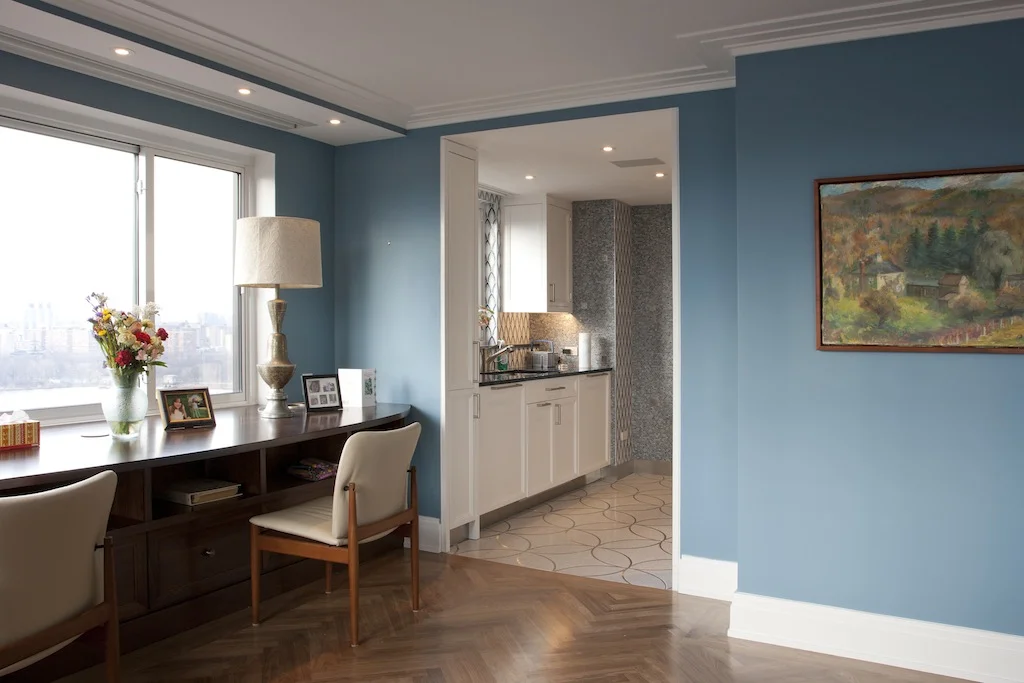
Photo and design by Anjie Cho Architect PLLC

First things first, indoor air quality (IAQ) is precisely what it sounds like: the measure of the quality of air inside a building or other structure meant for occupation. It is widely known that our planet suffers from a significant amount of pollution, but this pollution isn't limited to the air we breathe outside our homes. In fact, studies show that the air we breathe inside our homes and other buildings, where we spend most of our time, can be anywhere from two to five times as toxic as outdoor air due to a variety of chemicals included in paint, cleaning agents, etc. 

From a feng shui perspective, indoor air quality affects the energy flow in your home. You want the most positive and supportive qi around you to support your health and livelihood.

Since, as I mentioned, humans spend the majority of our time inside, it is extremely important that we improve the condition of our IAQ. Poor IAQ can lead to many negative side effects including nose bleeds, asthma, upper respiratory irritation and much more. In addition to physical ailments, polluted IAQ can be very costly, whether in company terms, where it can cost in the form of employee compensation and negative publicity, or on a more personal level, which can lead to increased medical bills and purchasing of excessive products to eliminate symptoms. 

Fortunately, as with most environmentally unfriendly issues, there are ways to reduce the level of harmful substances in your indoor air and increase the quality of the air your family breathes. 

One of the easiest ways to increase your IAQ is by monitoring the chemicals that are used, and subsequently released into the air, in your home. Rather than using commercial, toxic cleaning supplies, try switching to non-toxic, DIY cleaning agents, as they provide a much cleaner, safer air quality for your home's inhabitants. Oh, and they're easier on the wallet. 

Another easy way to control the quality of your home's air is by ensuring that atmospheric conditions are optimal for human living, not life of micro-organisms. Keep humidity in the home between 30% and 50% by taking steps like venting your dryer outside your home, using a humidifier or air conditioner in the home and taking care not to overwater houseplants

Taking time to ensure your home is properly cleaned and free of dust particles and other tiny organisms will also help with controlling the amount of allergens in your family's indoor air. Mop often with just water or non-toxic soap to ensure that dust doesn't settle on hard floors, and vacuum on softer floors. Clear your indoor space by opening windows and letting in fresh air, and instead of harmful chemical air fresheners, try the naturally refreshing scent of lemon or other citrus peels (like orange, feng shui's favorite!). 

IAQ is becoming increasingly important as we face growing danger due to pollutants in our atmosphere. Bettering and maintaining a high quality for your family's home is as easy as changing a few patterns and trying new things. You have nothing to lose, except for allergens and ailments!

by Anjie Cho


If you’d like to learn more about feng shui, check out Mindful Design Feng Shui School at: www.mindfuldesignschool.com

Benefits of Low and Zero VOC Paint

VOCs (Volatile Organic Compound) are chemicals added to paint for a variety of reasons including color enhancement, increased adhesiveness and increased ease of spreading. Despite these conveniences, VOCs are extremely dangerous to humans, and the use of them in many paints results in indoor air being anywhere from 3-5 times more polluted and harmful than outdoor air.

What can you do to prevent this? Buy low- and zero-VOC paints, which are now available from almost every brand. Though the main, and obvious perk to using low-VOC paint is reducing the toxicity of your breathing air, benefits do go a bit deeper.

Lower Toxicity

According to the EPA (Environmental Protection Agency), VOCs are some of the environment's arch enemies and a huge risk to humans as well. One of the easiest ways to reduce this risk, both for our environment and our bodies, is to use paints with lower or no VOCs.

VOCs are even more toxic to those with high vulnerability to smells and chemicals as well as allergies. Using lower VOC paints reduces the uncomfortable side effects for this group of people as well.

High exposure to paints with excessive VOCs can result in a wide variety of complaints, from watery eyes to respiratory infections, and in some cases, even cancer. Using paints with a lower level of VOCs can directly reduce these health risks.

No Smell!

Low VOC, No VOC paint contains zero or a minimum amount of compounds, which basically makes the paint almost unscented when wet, and leaves it with no smell at all as soon as it is dried.

Better for the Environment

The toxins emitted from regular, high VOC paints end up in the atmosphere and ultimately the ozone, adding to an already colossal problem of greenhouse gases. Using paint with reduced VOCs significantly decreases the amount of toxins that are released into our ozone. In addition, these paints reduce toxicity in landfills and water, as excess, discarded paint is nowhere near as toxic.

Low or zero VOC paint is also very easy to clean and requires only soap and water, rather than heavy chemicals. One more point for low VOCs versus air-killing chemicals.

by Anjie Cho


Our 6 Favorite Neutral Colors for Apartment Walls

IMG_2563+copy.jpg

Painting the walls in your space, no matter how large or small, is one of the easiest ways to make your home more comfortable and personable. I've talked in general about some of the best colors to use in painting living spaces, but let's get a bit more specific on what exact colors work best in holistic spaces. These are my absolute favorite colors for painting walls (and one for ceilings) in any room. 

Benjamin Moore- Super White Flat

I've mentioned this paint and color before, as I find it to be the best option for ceilings. Many people choose to paint their walls with varying colors ranging from calming blues to off-whites and more, but from a feng shui and interior design perspective, it's important to stick to a pure white for ceiling space. Flat finish Super White paint reflects light better than any color, thus giving your space a more open, well-lit quality than other colors. 


Benjamin Moore- White Dove OC-17

White is an excellent color for walls, especially if you make the conscious decision to use white, rather than simply leaving your walls as blank slates, but the bright white color we use on ceilings is not appropriate for walls. Instead of pure white, which can overwhelm the senses, much like a field of fresh snow, opt for a warmer white, like White Dove. This is an excellent option for warm white walls that provide a soothing, rather than harsh and sterile environment. 


Benjamin Moore- Decorator's White PM-3

If you're looking for a slightly cooler tone, try Benjamin Moore's Decorator's White. Where White Dove provides a warm, welcoming white, Decorator's White PM-3 moves toward the cooler end of the light spectrum, offering a more open upbeat shade of white without the overwhelming purity of Super White.


Benjamin Moore- Simply White OC-117

If you've taken a look at these white color options yet, you may have noticed how warm and creamy the White Dove option is. While this is an excellent choice for a relaxing, low-key room, it may be too creamy for some tastes, and that's where Simply White comes in. Still on the warmer end of the color spectrum, Simply White provides a perfect balance between the stark white of Super White and the creamy complexion of White Dove. 


Benjamin Moore- Mt. Rainier Gray 2129-60

If you're thinking of going a more colorful direction with your walls, don't worry: white isn't the only option! In fact, one of my absolute favorite neutral tones for wall colors is Benjamin Moore's Mt. Rainier Gray, a beautifully calming combination of light blue and grays that creates a perfectly livable, yet not-so-white shade! 


Farrow and Ball- Ammonite 274

Benjamin Moore isn't the only option for sprucing up walls either. For an elegant option with hints of neither blue nor white, Farrow and Ball has created perfection in the elegant gray shade of Ammonite. Not too bright to overwhelm and not too dark to depress, Ammonite is the ideal color for a living space, bathroom or the like. 


Don't forget, no matter what shade or brand of paint you choose, aim for an eco-friendly, low or zero-VOC option. Not only will this reduce the negative environmental impact regular paints so often have, it will also greatly improve the quality of the indoor air that you and your family breathe on and everyday basis. 

by Anjie Cho