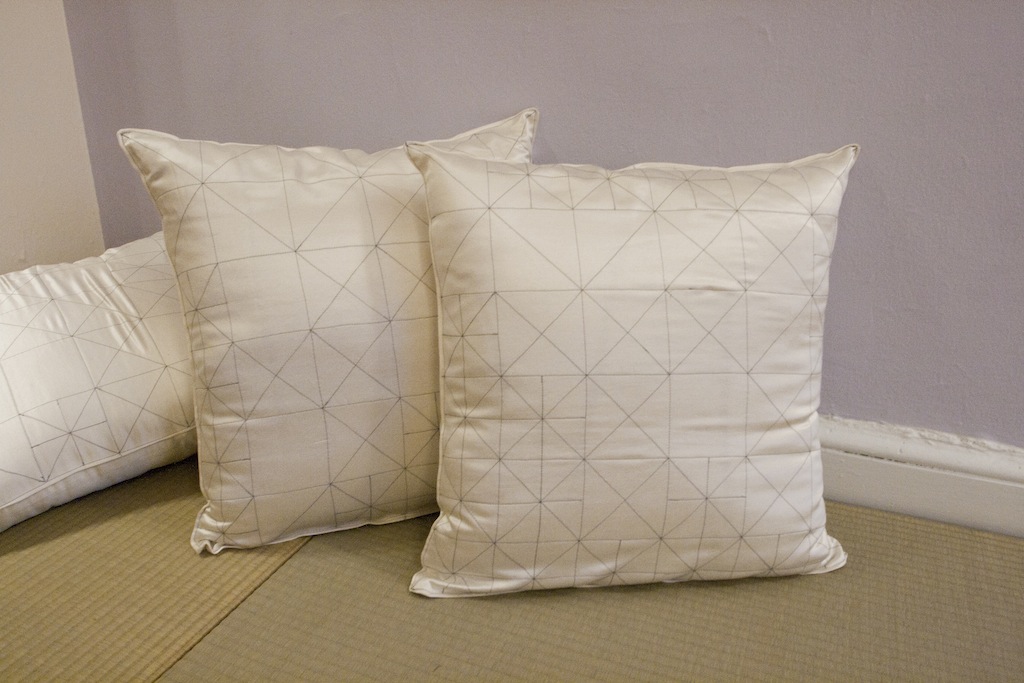
A huge part of creating a sacred, holistic space is designing a place where you are happy and healthy. From the paint on your walls to the cleaning products you use, even down to the furniture and accessories you bring into your space, each addition has a chance to harm you or heal you.
Since we spend spend many of our passive, yin hours in bed, it's especially important to make sure that we're resting in a healthy space, free of toxins and allergens. That's why I encourage you to choose organic bedding and linens, including pillows.
Most traditional pillows are filled with either conventionally grown cotton or polyester, neither of which are good for our health or the environment. Cotton contains herbicides and pesticides, many of which are carcinogenic to humans, and polyester filling includes the toxic chemical ethylene glycol (the deadly substance in anti-freeze) among others. Even most memory foam pillows give off harmful VOCs. These chemicals not only seep into your skin and lungs, they eventually, through washing and disposal, find their way to the atmosphere and even our water supply. Talk about unhealthy!
On top of all this, the production of these substances can put a heavy strain on our non-renewable resources, like water. One single shirt made from conventional cotton requires 2700 liters of water and 1/3 of a pound of chemicals. The chemicals used in cotton growth account for 25% of the world's insecticides, which often pollute our drinking water as well. As for polyester, it's made from non-renewable petroleum and its creation produces harmful gases that find their way both into the bodies of workers and the atmosphere.
With these statistics in mind, the case for organic pillows seems pretty cut and dry, but how do you find the perfect organic pillow for you? Before you even consider what material to opt for, it's important to consider your sleep style and other lifestyle choices.
The type of pillow you need depends on your sleeping style. Typically, side sleepers need the most support, while back sleepers need a bit less, and stomach sleepers need the least. Spend a few moments determining how you sleep most often before you head out shopping.
Other considerations are how you live the remainder of your life, as well as your personal preferences. Do you want firm or soft? Are you vegan? Are animal products an no-go? Are you allergic to any of the materials used in organic pillows? These are all important questions to answer if you're looking for optimal comfort (and aren't we all?).
Once you've tackled those details, dive into choosing which organic material is best for your holistic space.
Natural Latex
Natural latex is harvested from natural rubber trees, a rapidly renewing resource, and boasts a variety of perks including being naturally hypoallergenic and resistant to dust mites, flexible, long-lasting, moisture-absorbing, heat regulating and resistant to mold and mildew. These pillows are 100% natural latex, are best for side and stomach sleepers and will even eventually biodegrade!
Organic Cotton
This popular option has the same supportive and comfort qualities as traditional cotton but is grown in a much more sustainable, eco-friendly and safe way, without perfumes, formaldehyde or dyes. It's 100% natural and is hypoallergenic, resistant to mold and breathes well during warmer weather (so no sleep sweat!). This option is best if you're a stomach sleeper, since it's not quite as firm as latex.
Organic Wool
Organic wool is another very popular option for pillows. This material is great for regulating temperatures, keeping you cool in summer and warm in winter and has a natural moisture-wicking ability, just in case those few sweat drops do get loose. Like most other organic options, organic wool is naturally mold, mildew, fire and water resistant and hypoallergenic. Wool is best for side sleepers, and if you can, opt for alpaca wool, as it is lighter and warmer.
Buckwheat or Millet
If you're willing to try something new, a buckwheat or millet pillow is a great organic option. These pillows are filled with buckwheat or millet hulls and have many perks including excellent air circulation, adjustability and potential to eliminate neck, back or shoulder pain as well as snoring. They're also naturally pesticide-free, hypoallergenic and water resistant. These pillows aren't super fluffy, and it's important to note that they can be a bit noisy, so opt for one with a wool outer layer to muffle the sound. Millet pillows are a bit quieter on this front. These pillows are great for all sleep types, but if you're a side or stomach sleeper, be sure to check out millet!
Kapok
Before you mourn the loss of your down pillow, let's talk about kapok. This material is a silky fiber from ceiba trees that feels much like down, but it's hypoallergenic! It's also eight times lighter than cotton and very fluffy, in addition to being naturally pest-free, water and mold resistant and quick-drying. This option is vegetable-based and great for back sleepers, or anyone who's a fan of down pillows!
There are many, many options for going organic with your pillow selection, and I encourage you to research your choices before making this investment. No matter what you choose, rest easier (and more organically) knowing that by getting rid of traditional pillows, you've taken a great step in creating a truly holistic space!
by Anjie Cho