The Ins and Outs of Sick Building Syndrome

Much of my work pertains to homes, apartments and other personal spaces, but the importance of indoor air quality (IAQ) relates to your working environment as well. In modern times, we spend a little less than 1/3 of our time at work on average. That's a lot of time in the same space! Unfortunately, these spaces are often poorly ventilated and filled with a host of other issues that lead to sick building syndrome, which is as gross as it sounds. 

Sick building syndrome is a collection of symptoms that seem to be caused directly by spending time in a certain building, often an office. These symptoms can include anything from headaches, dizziness and sensitivity to smell to asthma attacks, flu-like symptoms and even personality changes! Long term, they can even lead to cancer, pregnancy difficulties and other more serious issues. Not only do these issues cause us to feel poorly, they can also result in higher incidents of missing work and difficulty being productive when we do make it in. 

These effects can be caused by many factors, including:

  • external pollution (think car exhaust, radon, asbestos, lead paint) that leaks indoors through ventilation

  • VOCs off gassed by a number of office supplies like manufactured wood furniture, carpet, printers and more

  • Off gassing from clothing, fragrances and personal products

  • Insect or vermin droppings

  • Mold and mildew

  • EMFs from small appliances like microwaves

  • Inadequate lighting

  • Ventilation issues

The good news is that there are ways to avoid sick building syndrome, and while many of them are reserved as actions for landlords and building owners, some of them we can do at our desks! If you own a building you suspect of making people sick, take care to use proper ventilation, remove and replace water stained carpet, upholstery and ceiling tiles, aim to use materials that do not off gas as much, and educate yourself as well as possible to help prevent sick building syndrome in your space. Changing out your air filters regularly with HEPA filters can be very effective as well! 

If you're an employee in a sick building, be sure to bring the problem to the attention of someone who can make changes, but you can also consider bringing in a small air purifier for your office and adding plants to your desk and office space that can help to absorb harmful VOCs. Check out our favorite options

Generally the symptoms of sick building syndrome are relieved when you leave the building, but if you leave one place and head to another polluted place, you're not doing much good! So work to make your home as holistic and green as possible to give yourself a safe place to rejuvenate and heal from a long day at the office!

by Anjie Cho


6 Trees to Plant Indoors for Earth Day

Earth Day is Saturday, and as always, we're excited to celebrate the greatness that is our planet and express gratitude to the universe and Mother Earth for supporting us. One of the most popular ways to honor the Earth and help counter environmental damage is to plant trees. If you own your property or have a yard, planting a tree is easy. Just be sure to care for it after planting! If you're in a New York City apartment, planting a tree yourself may be a bit more difficult. In honor of Earth Day, you can donate to Trees for the Earth or the Canopy Project, or you can choose an indoor tree for your holistic space! We've got a few suggestions. 

Fiddle Leaf Fig

The Fiddle Leaf Fig is enjoying plenty of time in the spotlight right now and for good reason. They're easy to care for, bright and look fantastic in practically any space. The Fiddle Leaf Fig enjoys bright light, isn't so fond of drafts and needs water when its soil feels dry. It's also a good idea to keep an eye out for whiteflies or aphids! Our friends at The Sill have beautiful figs for delivery in NYC. 

Fishtail Palm

If you're craving a tropical touch, the Fishtail Palm is the perfect addition to your holistic space! These trees grow best in bright, indoor light and warmer temperatures (like the temp inside your home), which makes them ideal houseplants. Just be sure to keep a spray bottle nearby for misting, because these tropical trees need lots of humidity!

Madagascar Dragon Tree

The Madagascar Dragon tree gets extra points for being a well-known air-purifying plant. So not only does it brighten your space, it helps remove some of the harmful chemicals we bring into our homes. Like the Fishtail Palm, the Madagascar Dragon tree thrives in average home temperatures and enjoys bright, filtered light. You'll want to keep the soil slightly moist and keep pets away, since the Madagascar Dragon Tree is poisonous! 

Money Tree

This indoor plant gets extra points too, since it is associated with wealth and prosperity in feng shui! Take a look at your bagua and find your Abundance gua, then add your Money Tree to let the universe know you'd appreciate some prosperity! Keep your tree watered regularly, give it bright light and avoid placing it in the bathroom (as water can drain the wealth), the Relationships gua or the Knowledge gua. 

Norfolk Pine

The Norfolk Pine tree is another popular indoor tree with the flexibility to add nature and the Wood element to any room. Like most indoor plants, the Norfolk Pine just wants medium to bright light and water, enough to keep it moist but not soggy. Easy enough!

Rubber Tree

Add some glossy dark green to your space with a rubber tree. These trees grow quickly, especially with bright, filtered light, regular water and well-drained soil, so it may be necessary to repot your Rubber Tree on a yearly basis until it's the perfect size for your holistic space. It's also a good idea to slip your Rubber Tree some weak liquid fertilizer during growing season. 

There are so many more than six trees that make amazing additions to our indoor spaces, and adding a tree anywhere is a great way to thank Mother Earth for keeping us alive all these years! Not to mention, many trees, like other indoor plants, are excellent absorbers of excess carbon dioxide and harmful chemicals that start in our homes and often make their way outside. If you're looking for easy-to-love trees and all-star air purifiers, also check out the Parlor Palm, Ponytail Palm and the Dracaena anita. Then send us pics of your new Earth Day trees!

by Anjie Cho


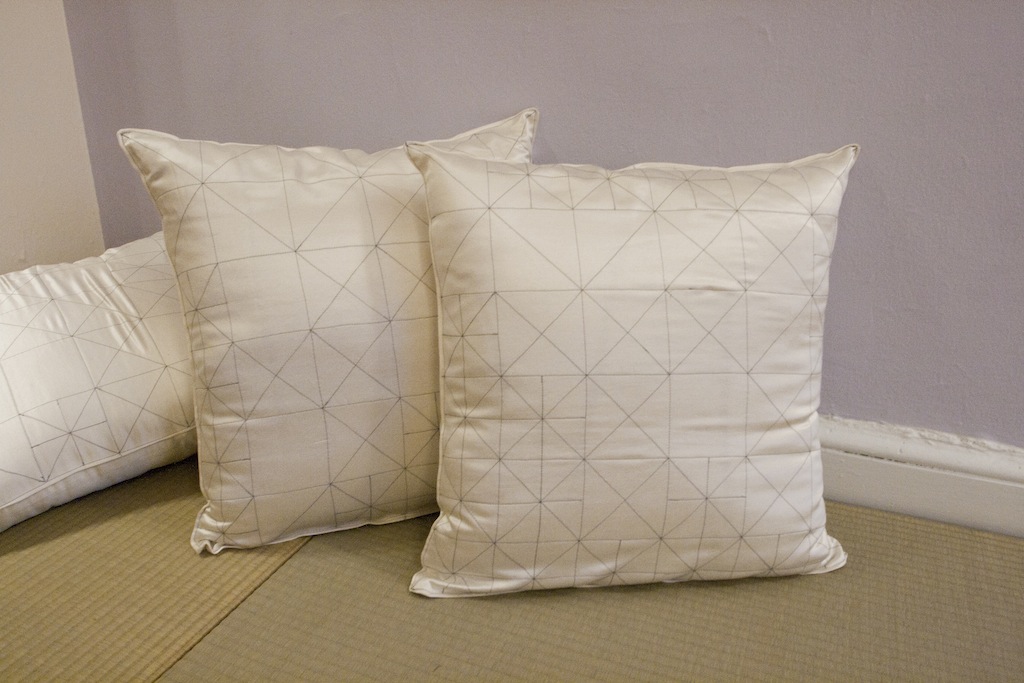
How (And Why) To Choose an Organic Pillow

A huge part of creating a sacred, holistic space is designing a place where you are happy and healthy. From the paint on your walls to the cleaning products you use, even down to the furniture and accessories you bring into your space, each addition has a chance to harm you or heal you. 

Since we spend spend many of our passive, yin hours in bed, it's especially important to make sure that we're resting in a healthy space, free of toxins and allergens. That's why I encourage you to choose organic bedding and linens, including pillows.

Most traditional pillows are filled with either conventionally grown cotton or polyester, neither of which are good for our health or the environment. Cotton contains herbicides and pesticides, many of which are carcinogenic to humans, and polyester filling includes the toxic chemical ethylene glycol (the deadly substance in anti-freeze) among others. Even most memory foam pillows give off harmful VOCs. These chemicals not only seep into your skin and lungs, they eventually, through washing and disposal, find their way to the atmosphere and even our water supply. Talk about unhealthy!

On top of all this, the production of these substances can put a heavy strain on our non-renewable resources, like water. One single shirt made from conventional cotton requires 2700 liters of water and 1/3 of a pound of chemicals. The chemicals used in cotton growth account for 25% of the world's insecticides, which often pollute our drinking water as well. As for polyester, it's made from non-renewable petroleum and its creation produces harmful gases that find their way both into the bodies of workers and the atmosphere.

With these statistics in mind, the case for organic pillows seems pretty cut and dry, but how do you find the perfect organic pillow for you? Before you even consider what material to opt for, it's important to consider your sleep style and other lifestyle choices. 

The type of pillow you need depends on your sleeping style. Typically, side sleepers need the most support, while back sleepers need a bit less, and stomach sleepers need the least. Spend a few moments determining how you sleep most often before you head out shopping. 

Other considerations are how you live the remainder of your life, as well as your personal preferences. Do you want firm or soft? Are you vegan? Are animal products an no-go? Are you allergic to any of the materials used in organic pillows? These are all important questions to answer if you're looking for optimal comfort (and aren't we all?). 

Once you've tackled those details, dive into choosing which organic material is best for your holistic space.

Natural Latex

Natural latex is harvested from natural rubber trees, a rapidly renewing resource, and boasts a variety of perks including being naturally hypoallergenic and resistant to dust mites, flexible, long-lasting, moisture-absorbing, heat regulating and resistant to mold and mildew. These pillows are 100% natural latex, are best for side and stomach sleepers and will even eventually biodegrade!

Organic Cotton

This popular option has the same supportive and comfort qualities as traditional cotton but is grown in a much more sustainable, eco-friendly and safe way, without perfumes, formaldehyde or dyes. It's 100% natural and is hypoallergenic, resistant to mold and breathes well during warmer weather (so no sleep sweat!). This option is best if you're a stomach sleeper, since it's not quite as firm as latex. 

Organic Wool

Organic wool is another very popular option for pillows. This material is great for regulating temperatures, keeping you cool in summer and warm in winter and has a natural moisture-wicking ability, just in case those few sweat drops do get loose. Like most other organic options, organic wool is naturally mold, mildew, fire and water resistant and hypoallergenic. Wool is best for side sleepers, and if you can, opt for alpaca wool, as it is lighter and warmer. 

Buckwheat or Millet

If you're willing to try something new, a buckwheat or millet pillow is a great organic option. These pillows are filled with buckwheat or millet hulls and have many perks including excellent air circulation, adjustability and potential to eliminate neck, back or shoulder pain as well as snoring. They're also naturally pesticide-free, hypoallergenic and water resistant. These pillows aren't super fluffy, and it's important to note that they can be a bit noisy, so opt for one with a wool outer layer to muffle the sound. Millet pillows are a bit quieter on this front. These pillows are great for all sleep types, but if you're a side or stomach sleeper, be sure to check out millet!

Kapok

Before you mourn the loss of your down pillow, let's talk about kapok. This material is a silky fiber from ceiba trees that feels much like down, but it's hypoallergenic! It's also eight times lighter than cotton and very fluffy, in addition to being naturally pest-free, water and mold resistant and quick-drying. This option is vegetable-based and great for back sleepers, or anyone who's a fan of down pillows!

There are many, many options for going organic with your pillow selection, and I encourage you to research your choices before making this investment. No matter what you choose, rest easier (and more organically) knowing that by getting rid of traditional pillows, you've taken a great step in creating a truly holistic space!

by Anjie Cho