Reduce Your Carbon Footprint in Honor of Earth Day

Happy Earth Day! Earth Day is one of my favorite holidays, because it aligns so perfectly with what Holistic Spaces stands for. As a feng shui practitioner and green design architect, it's so important to me that we take nature into account when designing our spaces. After all, we need to be in harmony with nature to flourish and survive!

We've shared many tips over the years on how to make small changes in your life to save energy, from adding more Earth element to your space to propagating plant life to adjusting your toilet to save water, using real cutlery for takeout and much more. Each of these small changes can make an incredible impact on the energy you use every day to reduce your carbon footprint, or the amount of greenhouse gases you emit on a regular basis through activities, consumption, energy usage, etc. 

This year, we're focusing on knowing where you use your energy so that you can reduce it wherever possible. Take a look below at our favorite places to calculate and monitor your carbon footprint. 

EPA Carbon Footprint Calculator

The United States Environmental Protection Agency provides a relatively simple way to determine your carbon emission impact. This option isn't super detailed, but it does provide a rough estimate of how much carbon (and other greenhouse gases) a household puts off, based on electricity and gas usage, vehicles and waste production. The EPA then offers suggestions for ways to reduce your footprint, including cost savings, at each step. 

Energy We Need

Energy We Need was created by my old colleague, Alexander Frantzen, to make carbon footprint calculation easier. The website offers simple or custom calculations and is very detailed, including scientific considerations like average groundwater temperature for your area. It takes into account each person's use of technology, diet, emissions at places besides the home (school and work), laundry habits, and more. Energy We Need also makes certain steps easier, like figuring out your average water usage in the bathroom. Once you've got a good idea of your impact, the site provides an overview of the reductions necessary to meet national benchmarks, so that you know what to work toward, and suggested options for making changes. Plus, you can compare your first footprint with your new one as you make those changes!

CoolClimate Network

CoolClimate Network, operated by the University of California, Berkeley, is another great option if you're looking for suggestions to improve your carbon footprint. Plus, Berkeley is my alma mater! The CoolClimate system calculates by household, not individual, but it does provide a pretty detailed breakdown of how we produce greenhouse gases, taking things like diet, clothing purchases, services used, public transportation and more into consideration to ensure an accurate footprint. As you enter information and your output is adjusted, CoolClimate shows your energy consumption in comparison to the local average and provides a detailed list of ways to reduce your footprint, including an option to "Pledge" each change as well as calculated dollars saved and the cost to make each adjustment.

Carbon Footprint

At Carbonfootprint.com, you can calculate your energy usage by year (default) or set specific times to show your emission by month, quarter, etc. Carbon Footprint is configured in 14 different languages and uses the metric or standard system of measurement. This website takes diet, recycling habits, activity level and other smaller details into account as well and includes an option to donate as a way to offset your footprint. You can choose from varying causes, like Global Portfolio and Reforestation in Kenya, and the site provides a breakdown of where your donation goes. 

There are countless resources online, including a few phone apps, to measure and reduce your carbon footprint. Now that climate change and sustainability are at the forefront of current issues (finally!), doing your part to reduce greenhouse emissions and contribute to restoring nature has never been easier!

How big is your carbon footprint? What kinds of changes can you make to your space and habits to help restore the balance between us and nature? Check out a calculator, and sign up for the Holistic Spaces newsletter for even more tips on how to use green design and feng shui to reduce your footprint! 

by Anjie Cho


My Favorite Things: 5 Ways to Bring Metal into Your Home

Welcome to My Favorite Things! Each month, we highlight products to help you create a holistic lifestyle that inspires and nurtures you, so that you can be happier and feel supported.

For April, we move forward in our series on the five elements and talk ways to bring the Metal element into your space. The Metal element is related to the Benefactors and Completion areas of the bagua map and is very helpful in balancing the ability to stand up for yourself and to remain focused and efficient. Be sure to listen to tomorrow's podcastFeng Shui and the Metal Element, to learn more about how to balance the Metal element!


Wind Chimes and Bells

Adding a wind chime or bell to your space is one of the easiest ways to balance out the Metal element. There are so many beautiful options for wind chimes, but be sure to look for chimes or bells made of metal material, as this relates directly to the Metal element. 

This is a bell that I have on my desk to ring in more prosperity and abundance!

When you hang a bell or chime, it's also important to ensure that it has space to ring or chime. These small adjustments are powerful in many ways and can signify change and the arrival of benefactors.

Available at: Feng Shui Shopper


SAARINEN TULIP TABLE

I love the Saarinen Tulip tables, especially in white marble. They're truly a classic. They come in many sizes and are customizable in material and color. White marble is a gorgeous addition to any space in itself, but it can also help to bring in the Metal element!

I have a white Saarinen side table in my living room, which is in the Completion (yin metal) area of my home.

White, circular, marble tables add Metal to your space because of the shape and color. The Metal element is related to the color white and circular shapes, so keep this in mind when customizing! 

Available at: Design Within Reach


Benjamin Moore: Simply White Paint

We've talked about the benefits of choosing white paint in your spaces, but opting for white walls can also add the Metal elemnt to a room. 

Because the Metal element is related to the color white, going for the purest color in the color wheel can help provide balance for a space with too little metal. One of my go-to whites is Benjamin Moore's Simply White. It also happens to be the Benjamin Moore color of 2016.

Check out our other blog posts on my favorite white paints.

Available at: Benjamin Moore


Agate Non-Metal Feng Shui Rings

Everyone always wonders why I have a delicate agate ring on my middle finger on my right hand... well it's a feng shui adjustment!

Non-metal rings like these agate rings can balance out too much or too little metal. For women, wear it on your middle finger, right hand. For men, the same but on the left hand.

This personal qi feng shui adjustment can help if you talk too little or too much, as the metal element is related to the mouth. Don't fret if it breaks; it's doing its job! Be sure to listen to the podcast or read our blog post about the five elements to learn more!

Available at: Holistic Spaces


Metal Pinwheels

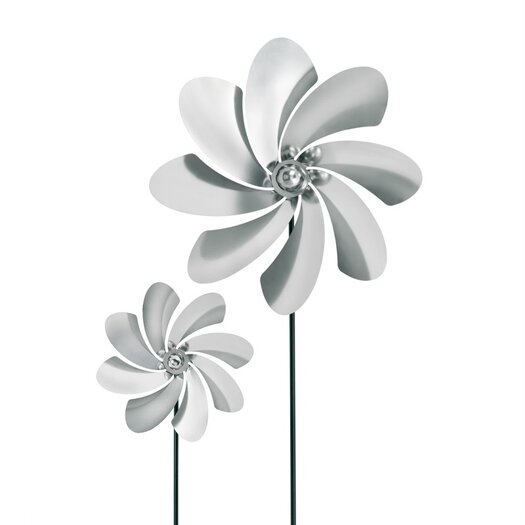
I have these lovely metal pinwheels in two places in my home. Not only do they add more metal element to your spaces, they're beautiful, and they can go indoors or outdoors. 

Pinwheels also have the secondary effect of stirring up the qi in your holistic spaces, to get things really moving. 

It may be beneficial to locate these in your Benefactors area to stir up and attract more helpful people in your life. Or skillfully placed in the center of the Knowledge area of your property (outside or inside), pinwheels may bring winds of change to your self-cultivation and spiritual life.

Available at: All Modern


Dents, Holes and Pops: Prepping Your Walls for Paint

There’s nothing quite like setting your brush down, sliding back into your favorite cozy space and admiring a well-painted room. Before you get to that point, however, there’s ‘pre-paint’ legwork that must be done, starting with the repair of holes in your wall. Before you crack open the bucket of joint compound and grab the joint knife, keep reading. Not all wall damage is created equal. 

Small Dings, Nail Holes and Dents

Before you break out the joint compound, scrap away any loose paint or other debris from the area you’re repairing. Using your joint knife, spread the compound over the small area requiring repair. You should completely fill in the damaged space. Using the joint knife, pull away excess compound to make it level with the rest of the wall. Allow the space to dry according to the directions on the package. Keep in mind that it may take as long as 24 hours, so plan your room renovations accordingly. Once the repaired section is dry, sand it smooth and get ready to paint!

Small Holes

Don’t confuse ‘small’ with the nail-sized holes mentioned above. We’re talking about the hole created from a doorknob that met a wall with a little more pop and punch than it ought to have. If you’ve got a repair about that size, you’re going to need a bit more than joint compound and sandpaper to fix things. Pick up a peel-and-stick patch to repair this type of damage. The patch is a screen covered by fiberglass. Remove the backing and press the patch into place over the hole. Now pull out your joint compound and joint knife. Cover the mesh patch with layers of compound being careful to smooth each layer and level it off with the wall. Plan on applying three coats in total, letting each coat dry before applying the next one. Once the final coat is dry, sand the repaired area smooth and flush with the rest of the wall. Now you’re ready to paint! 

Note: You can find repair kits with patches for holes up to about six inches. Some patches are mesh like the one described above. Others will be a reinforced center panel surrounded by self-sticking tape. Larger holes require a different approach that we’ll cover in a future blog article.

Nail Pops

When you look at your wall, do you see small protrusions about the size of a nail head? This happens when the nails used to affix drywall to the studs pull away from the wood. You’ve got two choices on how to repair this, but both begin with scrapping away the ‘popped’ bit of drywall until the head of the nail is exposed. One option is to drive the nail back into the stud. Once you’ve done that, drill a drywall screw into place slightly above the nail to reinforce the drywall. Alternately, you can remove the offending nail and replace it with the drywall screw above or below the original hole. Regardless of which option you select, make sure the nail head and screw are slightly recessed into the drywall creating a dimple. Grab that joint compound again and fill in the small holes created by the removed (or re-driven) nail and the new screw. As above, wait until it’s fully dry and then sand the compound down again for a smooth even finish.

by Anjie Cho